November 29, 2026
Dirty kitchen hoods: why heat and smoke build up
By @safeservicekitchen
A commercial kitchen hood is meant to move heat, smoke, grease and cooking odors away from the line. When the hood and exhaust path get coated with grease, that job gets harder. The result can be a room that feels hotter, smells stronger and holds smoke longer than it should. The link is simple: a clean system gives air an open route out, while a dirty system adds resistance and gives grease more places to collect.
This is why kitchen exhaust cleaning matters beyond appearance. A hood can look acceptable from the front and still have grease buildup in filters, ducts, fan components or the roof discharge area. Those hidden surfaces affect how the whole system breathes. They also raise fire risk, which is one reason restaurants treat exhaust care as part of safety and compliance rather than routine tidying.
What the exhaust system is doing
A kitchen exhaust system captures contaminated air at the cooking equipment, carries it through a hood and ductwork, then discharges it outdoors with help from an exhaust fan. Grease filters sit near the front of that path. Their role is to catch a portion of grease before it travels deeper into the duct. The fan creates the pull that keeps smoke and heat from drifting into the kitchen and dining areas.
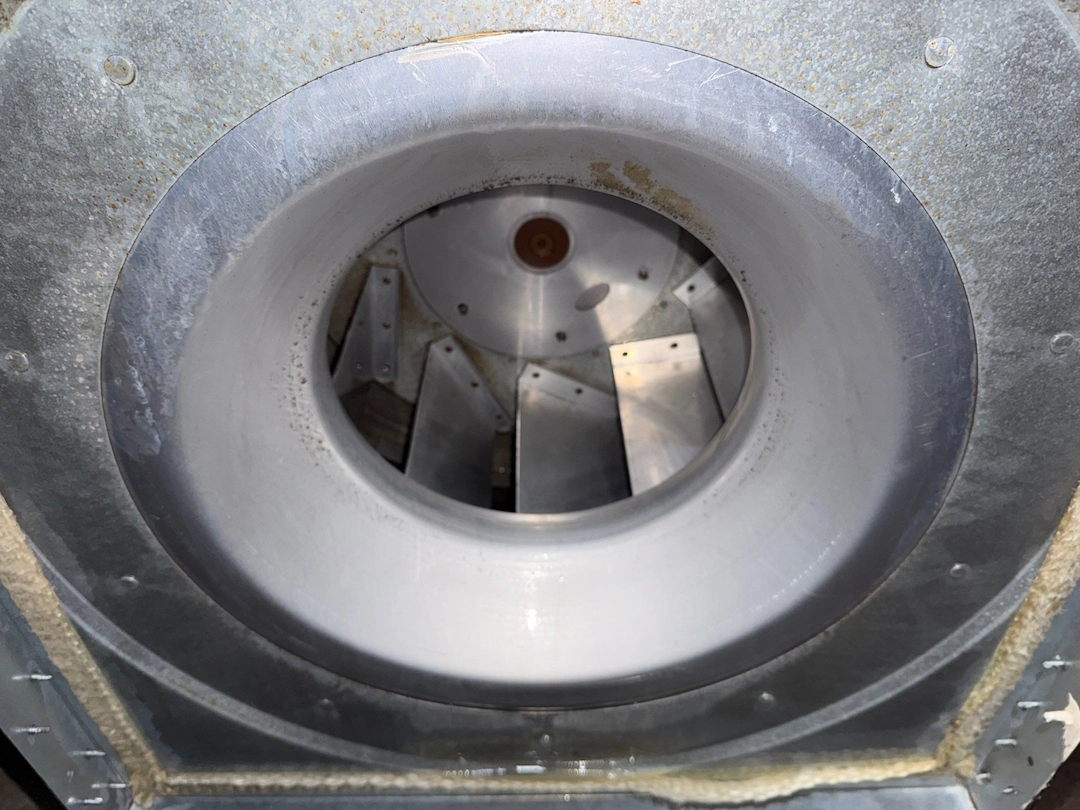
Airflow depends on the whole route, not just the fan. If filters are clogged, the fan has to pull against a restriction. If duct interiors are coated, the opening becomes smaller and rougher, which disrupts movement. If the fan blades carry grease, the fan may move less air even though it is still running. In each case, the equipment may sound normal while performing poorly.
Makeup air also plays a part. Air that leaves the building has to be replaced. When makeup air is limited or poorly arranged, the exhaust fan may struggle to pull air from the right place. Smoke can linger around cooking equipment, drift under the hood or spill into the room. Grease buildup makes that imbalance more noticeable because the system has less capacity to recover.
Why a dirty hood makes the room hotter
Cooking equipment releases a steady stream of hot air. The hood removes much of that heat before it spreads through the kitchen. When the exhaust path is restricted, hot air stays near the cooking line longer. Staff feel it first, especially beside fryers, grills and ranges. Over time, the kitchen can feel warmer even if the ventilation equipment appears to be operating.
Heat also changes how air moves. Warm air rises, and if the hood is not capturing it efficiently, it can roll out past the canopy edge. That is why a dirty filter or blocked duct can create discomfort in places that once felt manageable. The problem is not only the amount of heat produced. It is whether the system can remove it fast enough.
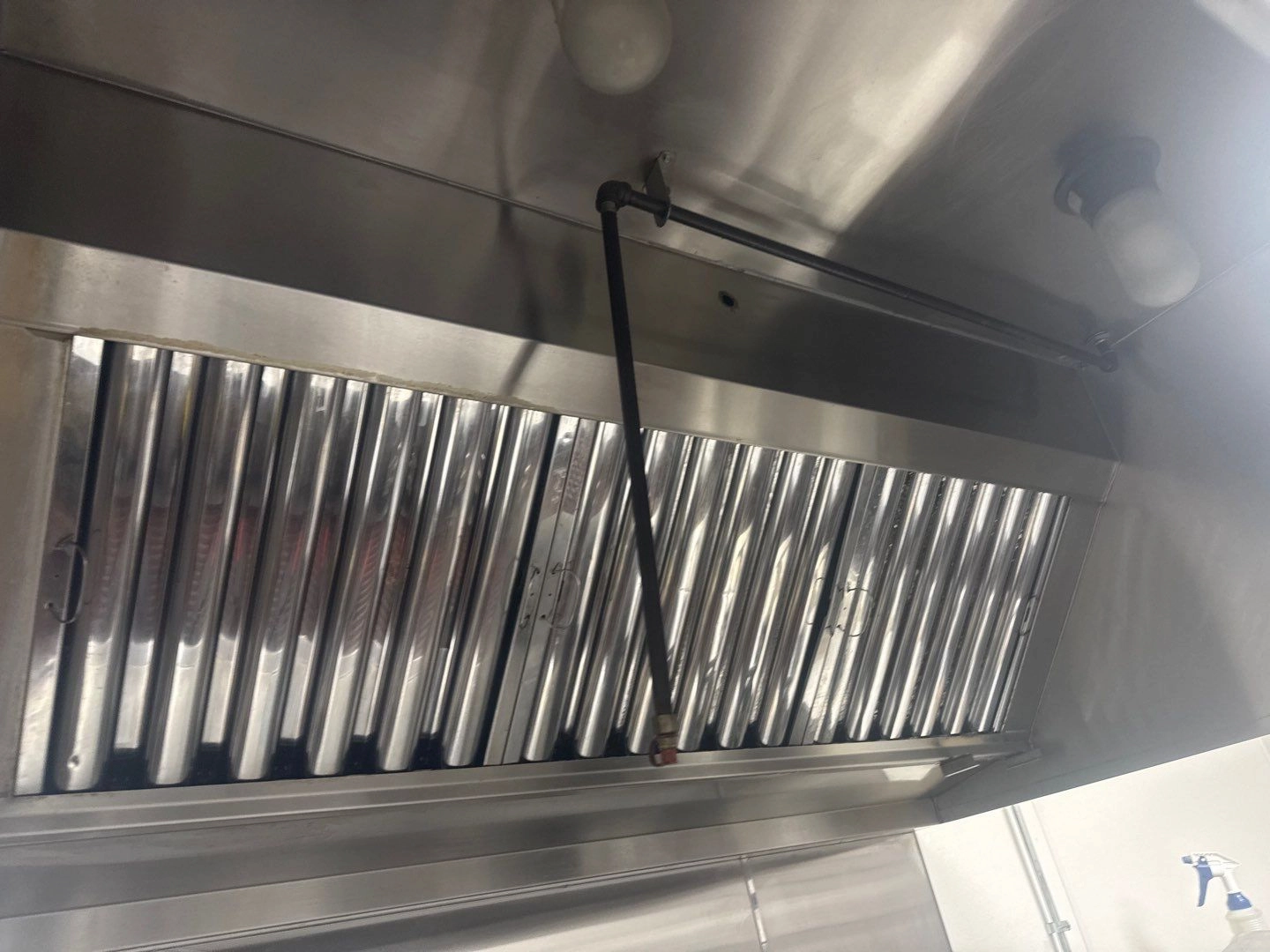
Grease filters deserve close attention here. A filter that is loaded with grease does not pass air as freely as a clean one. It may still catch some grease, but it can also become a bottleneck. In a busy kitchen, that bottleneck can affect the entire capture zone. The hood may look as though it is pulling, while much of the heat escapes around it.
Why smoke and odors hang around
Smoke is a visible sign that air is not being captured and moved as intended. A dirty hood can let smoke escape before it enters the canopy. It can also slow the exhaust stream, giving smoke more time to spread. This is often noticed during high output cooking, when several appliances are working at once and the system needs to keep up.
Odors behave in a similar way. Cooking smells are carried by air particles and vapors. When Airflow is reduced, those odors move into the room instead of out of the building. Grease deposits can hold smells as well, especially in ducts and around fan housings. A system that has not been cleaned thoroughly may smell stale even when the cooking area itself is tidy.
Kitchen air quality is affected by more than smoke alone. Heat, grease particles, cooking vapors and odors all add up. Good ventilation keeps those by-products moving in a controlled direction. Poor ventilation lets them mix into the room, where they settle on surfaces, affect comfort and make the space feel less fresh.
Where grease collects and why it matters
Grease does not collect evenly. It tends to build up where air changes speed or direction, such as filters, elbows, transitions, duct seams and the fan. Those spots can narrow the passage and create rough surfaces that catch more grease. Once that cycle starts, buildup can accelerate in the same areas.
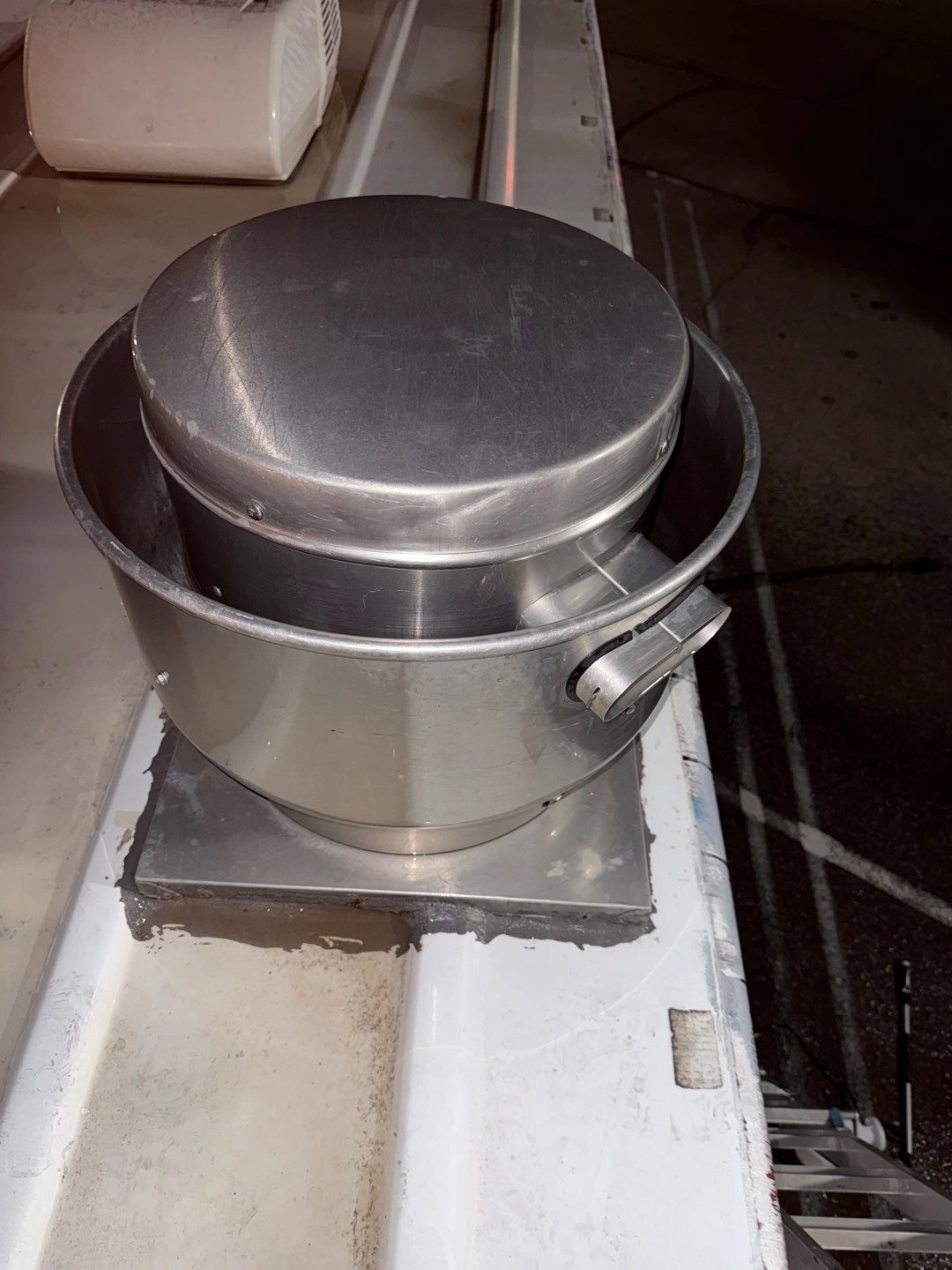
The exterior discharge point matters too. Grease can collect around roof vents or wall terminations, where it may drip onto surfaces or create unpleasant odors near entrances and neighboring areas. A clean duct is only part of the picture if the discharge area is restricted or heavily coated.
Professional service looks at the full exhaust path because isolated cleaning can miss the areas that cause the biggest restrictions. In restaurant settings, kitchen exhaust cleaning is often tied to documented maintenance records, inspection readiness and fire prevention plans. That documentation helps show that care has been consistent, not just applied when a visible problem appears.
What kitchen staff can watch for
Some signs are easy to notice during normal operations. Others develop slowly and become part of the background until the system is performing badly. A practical watch list includes:
- Smoke lingering near cooking equipment or drifting into the dining area
- Heat building up along the cook line even during routine service
- Filter surfaces that look coated, sticky or discolored
- Strong cooking odors carrying through the room after food preparation ends
- Unusual fan noise, vibration or reduced pull at the hood
These signs do not all point to one cause. A dirty system is a common factor, but makeup air problems, fan issues and poor hood placement can produce similar effects. That is why a careful assessment is more useful than guessing. A qualified professional can check the exhaust path and identify whether cleaning, repair or airflow correction is needed.
Routine maintenance for cleaner kitchen airflow keeps the system from sliding into a cycle of restriction and overheating. It also helps protect the capture zone where smoke and grease first leave the cooking equipment. Waiting until smoke is obvious often means the system has already lost some effectiveness.
Cleaning, safety and compliance
Exhaust cleaning is not the same as wiping down the outside of a hood. A professional service typically addresses grease filters, hood interiors, accessible ductwork and fan components, with records that reflect what was serviced. The scope depends on the system and local requirements. Compliance focused documentation matters because it creates a clear history of care for inspectors, property managers and restaurant operators.
Safety is a serious part of this work. Grease buildup in an exhaust system can fuel a fire, and a restricted system can allow heat and smoke to move where they should not. Simple visual checks have a place, but cleaning inside ducts, working around fans or addressing electrical and structural issues is a job for a qualified professional. Staff should not open sealed equipment, interfere with safety controls or attempt repairs while equipment is energized.
The practical takeaway is that a dirty hood changes how the whole kitchen behaves. It can make the room hotter because hot air is not removed efficiently. It can make the room smokier because capture and exhaust are weakened. It can leave odors behind because contaminated air is not moving cleanly out of the building.
Kitchen exhaust cleaning is a maintenance issue with daily effects. When grease is removed from the exhaust path, the system has a better chance of moving air as designed. That supports comfort, kitchen air quality and inspection readiness. For restaurants, regular maintenance for cleaner kitchen airflow is less about chasing a shine and more about keeping heat, smoke and grease under control where they are produced.
❧